
TRIDENTTransformative Research
In Diabetic Nephropathy
A multi-center, public-private consortium

Understanding why diabetic kidney disease progresses. And how to stop it.Redefining diabetic kidney disease through precision medicine

TRIDENT connects kidney biopsies, molecular discoveries and long-term clinical outcomes in adults with diabetes to understand disease progression and accelerate better treatments. A multicenter, public-private research consortium led from the University of Pennsylvania.

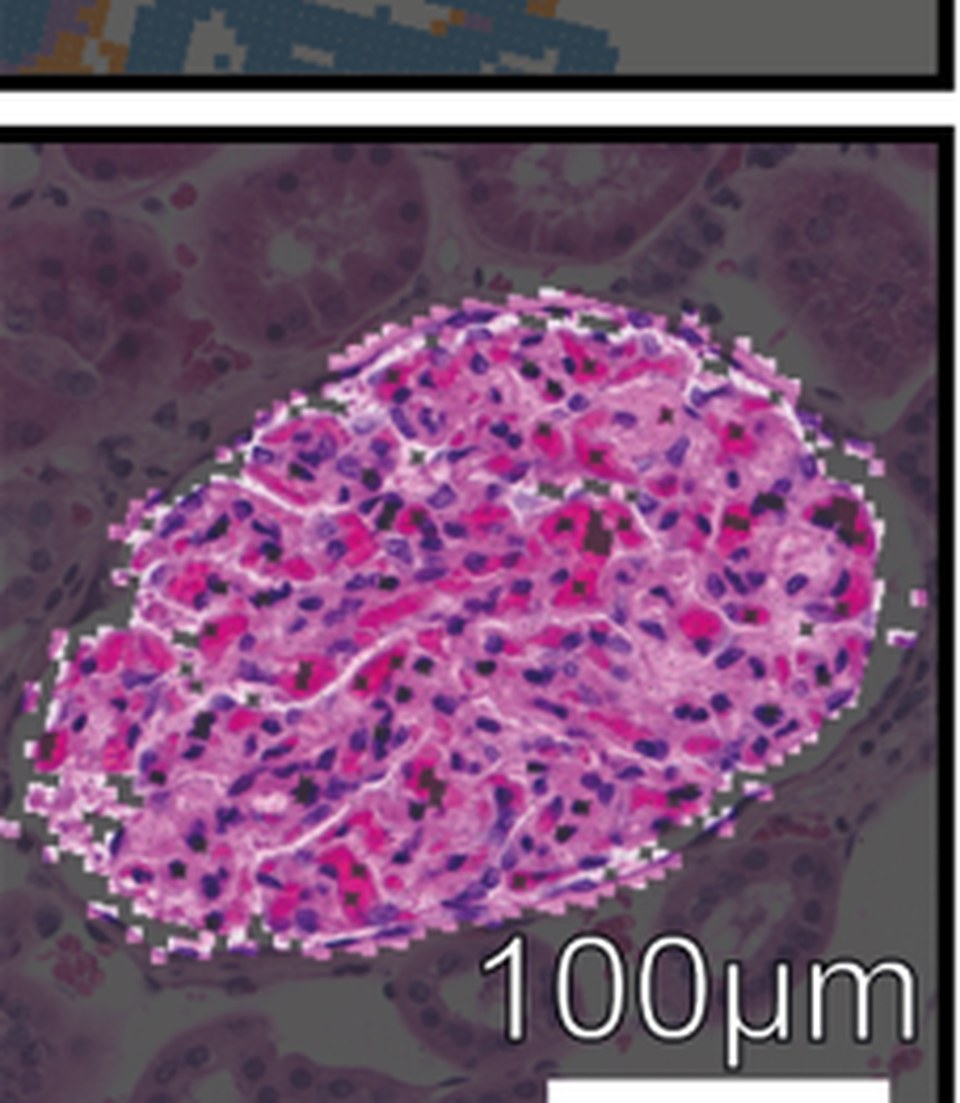
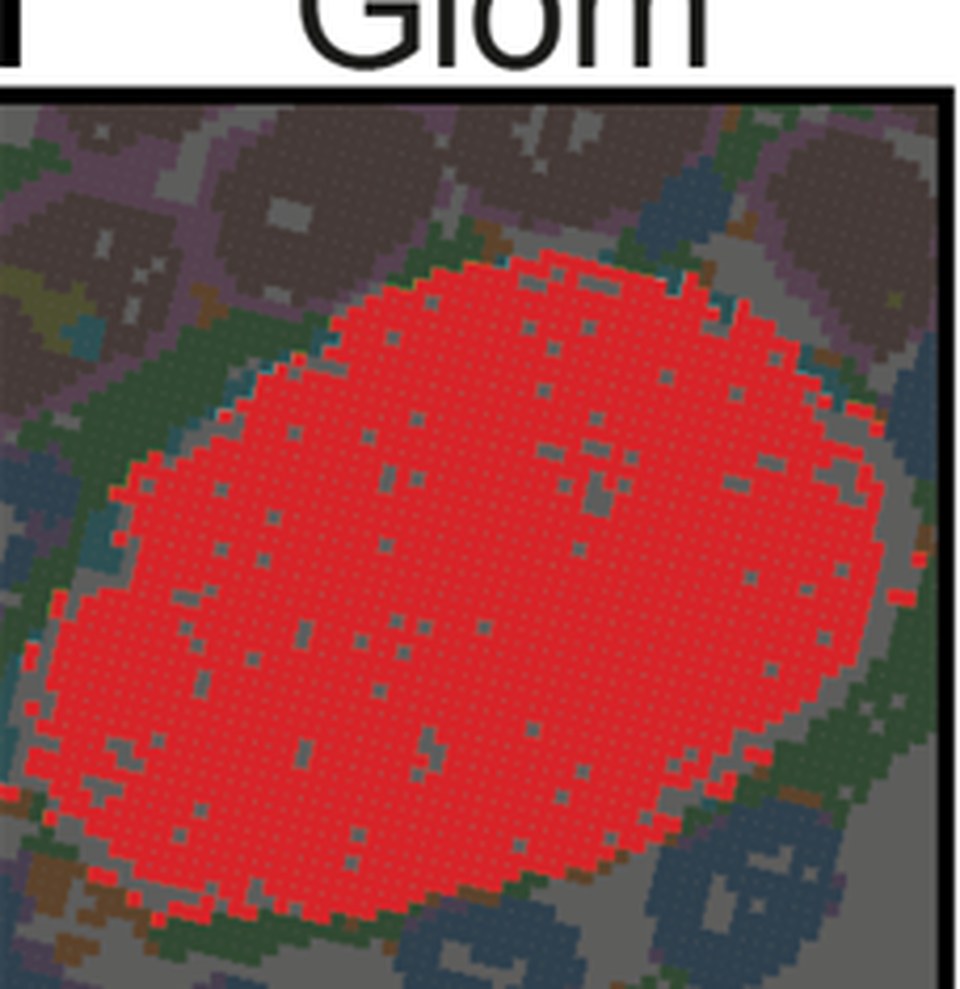
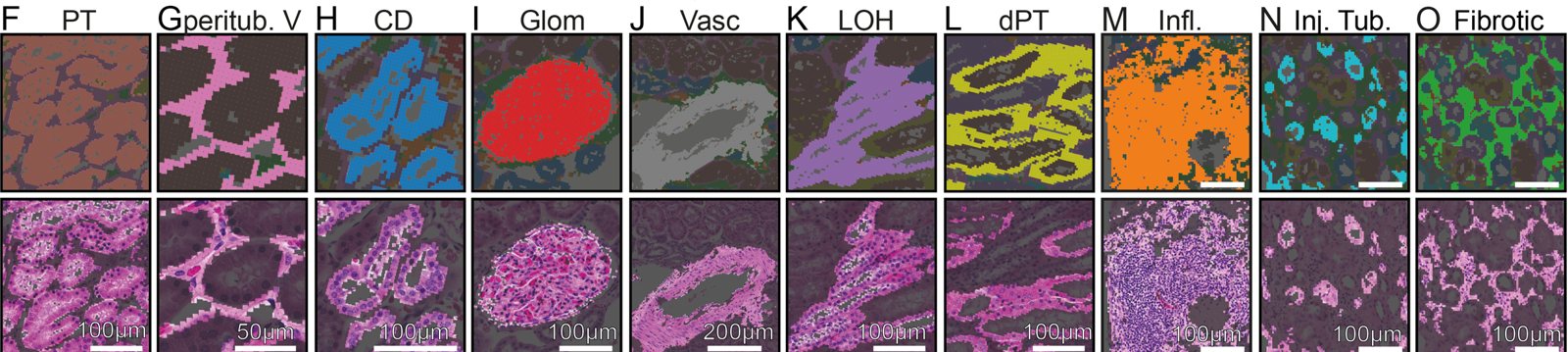
A biopsy, read as molecular compartments: histology becoming the molecular map
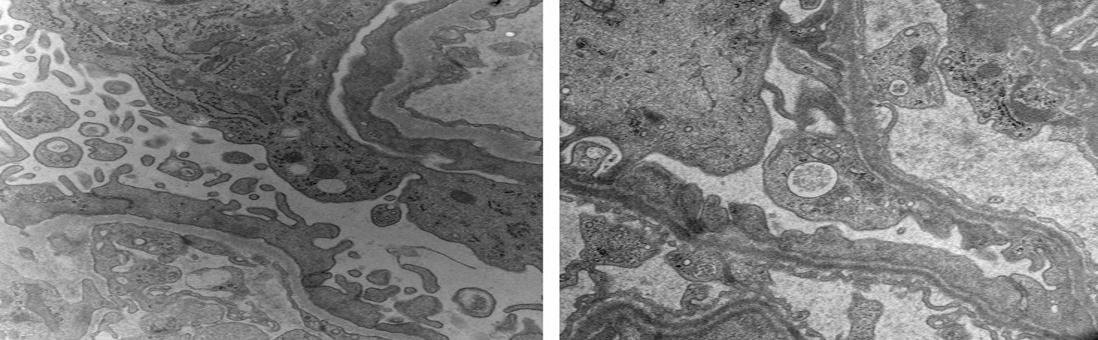
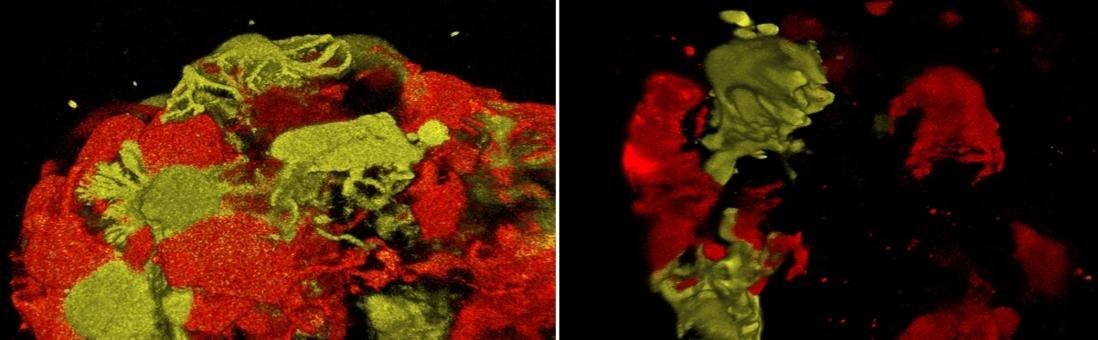
Electron microscopy of a TRIDENT biopsy
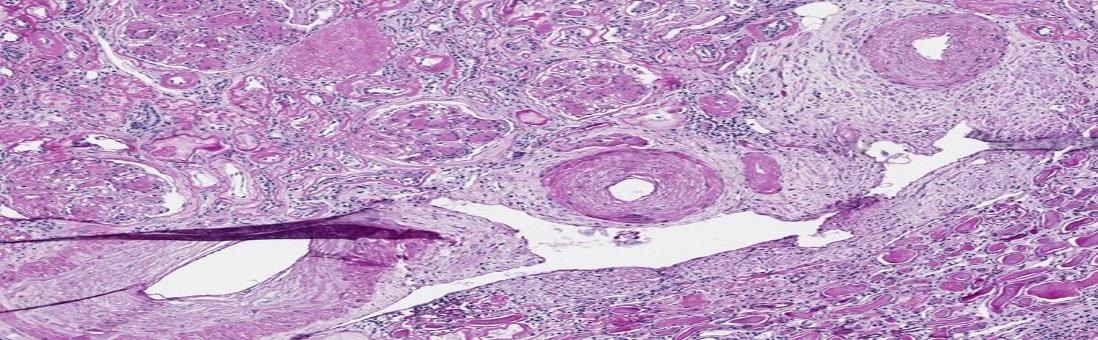
Kidney biopsy histology
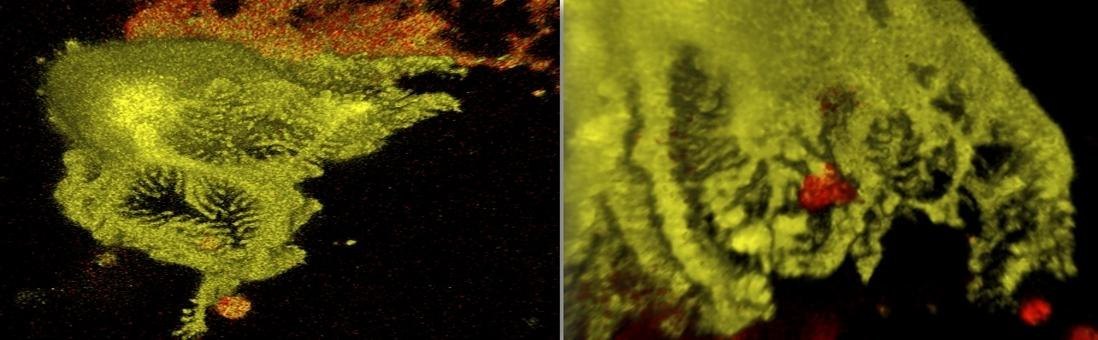
Podocyte, three-dimensional reconstruction
Podocyte on the glomerular capillary
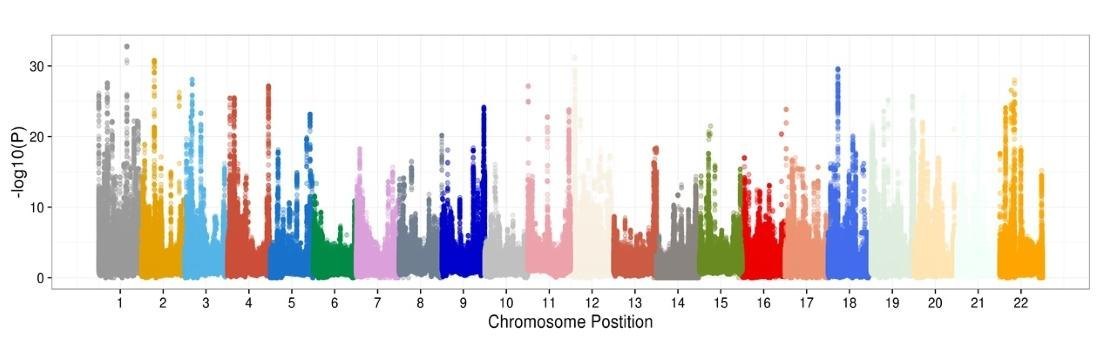
Genome-wide association, TRIDENT genetics
For participants

Join the study

Adults with diabetes who are having a kidney biopsy as part of their care can take part at any TRIDENT site. One extra research core, blood and urine, and follow-up visits.

Join the study
For researchers

Work with the data

Ten molecular layers, histology and longitudinal outcomes on the same biopsies. Ancillary studies and data access run through the consortium.

Work with the data
For industry

Collaborate with us

Seven biopharmaceutical partners have built programs on TRIDENT tissue. Therapy-informed studies are open under TRIDENT 2.0.

Collaborate with us
Why this matters

Half a billion people live with diabetes. One in three will develop kidney disease.

Diabetic kidney disease is the leading cause of kidney failure in the world. It is silent for years, it is diagnosed late, and the same label is given to patients whose kidneys are failing for different reasons. Treatment is improving, but it is still chosen without looking at the organ it is meant to protect.

537Madults worldwide live with diabetes, a number that keeps rising
1 in 3adults with diabetes develops chronic kidney disease
No. 1cause of kidney failure: diabetes, ahead of every other disease
Yearsof silent damage before symptoms or routine tests raise an alarm

TRIDENT was built to change this: the largest tissue-anchored study of diabetic kidney disease in the world, following patients from their biopsy for years and reading every molecular layer of the kidney itself.

The critical questions

Four questions the field has not answered

Diabetes remains the leading cause of kidney failure worldwide despite better glucose and blood pressure control and decades of RAAS blockade. Cardiovascular complications of diabetes have fallen by more than 60 percent in two decades; the incidence of diabetic kidney disease has fallen only modestly, and the annual mortality of people with diabetes on dialysis is still 15 to 20 percent, higher than that of many cancers. TRIDENT exists because four questions are still open.

01

Why do some patients progress rapidly and others not at all?

About half of people with type 2 diabetes develop chronic kidney disease, and one in five reaches an eGFR below 60. A minority of rapid progressors, losing more than 5 mL/min per year, account for most kidney failure and most clinical trial endpoints, yet the mechanisms that separate them from slow progressors are poorly understood. TRIDENT follows every participant from the biopsy to define the molecular fingerprint of rapid decline.

02

Is rapid progression genetic or environmental?

Genetic studies of diabetic kidney disease have found few reproducible associations, and animal models do not reproduce progressive human disease. TRIDENT combines whole-exome sequencing and genome-wide genotypes with the tissue transcriptome, epigenome and spatial maps of the same kidneys, so that risk variants can be mapped to the cells and neighborhoods in which they act.

03

Which non-invasive biomarkers reflect what is happening in the tissue?

Candidate markers such as KIM-1, TNFR1 and TNFR2 have promise but have never been validated against molecular signatures of the kidney itself. TRIDENT pairs biopsy-time plasma and urine with the tissue, which is the only way to learn which blood and urine measurements report the biology that matters.

04

How is diabetic kidney disease different from other kidney diseases?

Diabetic kidney disease is a clinical label, often given without a biopsy, and many patients lose kidney function without ever developing albuminuria. Since 2025 TRIDENT enrolls participants with non-diabetic kidney disease as comparators, toward 1,000 participants in all, so that what is specific to diabetes can be told apart from what is common to all failing kidneys.

How TRIDENT answers them

592adults with diabetes consented across the consortium
543kidney biopsies, with 407 research cores profiled
25academic sites in the United States, one protocol; Mayo Clinic enrolling in 2026
10molecular layers read on the same kidneys
Kidney biopsy pathologyWhole-exome sequencingBulk and single-cell transcriptomicsSpatial transcriptomicsLong-read sequencingProteomics and metabolomicsUrine single-cell profilingAI-driven digital pathologyLongitudinal kidney function trajectoriesBiomarker validation in blood and urineKidney biopsy pathologyWhole-exome sequencingBulk and single-cell transcriptomicsSpatial transcriptomicsLong-read sequencingProteomics and metabolomicsUrine single-cell profilingAI-driven digital pathologyLongitudinal kidney function trajectoriesBiomarker validation in blood and urine
The TRIDENT approach

From one patient to precision medicine

Five connected stages. Select a stage, or scroll, to see what each one adds.

1
PatientAn adult with diabetes needs a kidney biopsy as part of routine care at one of the TRIDENT sites and agrees to take part.
2
Kidney biopsyOne additional research core is taken during the same procedure; blood and urine are collected alongside. Biopsy safety was measured prospectively across the consortium.
3
Molecular profilingPathology, genome, transcriptome, spatial maps and proteins are read from the same tissue, ten layers in all.
4
Clinical follow-upKidney function is tracked at visits every six months for years and tied back to the biopsy.
5
Precision medicineIntegrating tissue, molecules and outcomes identifies disease mechanisms, prognostic biomarkers and therapeutic targets, and TRIDENT 2.0 reads how therapies change the kidney.
Kidney biopsy, light microscopy
Electron microscopy of the glomerular filter
Molecular compartments mapped onto the histology
9060300 eGFR (mL/min/1.73 m²)Years after biopsy 05 StableSlow declineRapid progression Same diagnosis at biopsy, three different futures (illustrative)
Illustrative kidney function trajectories, not patient data
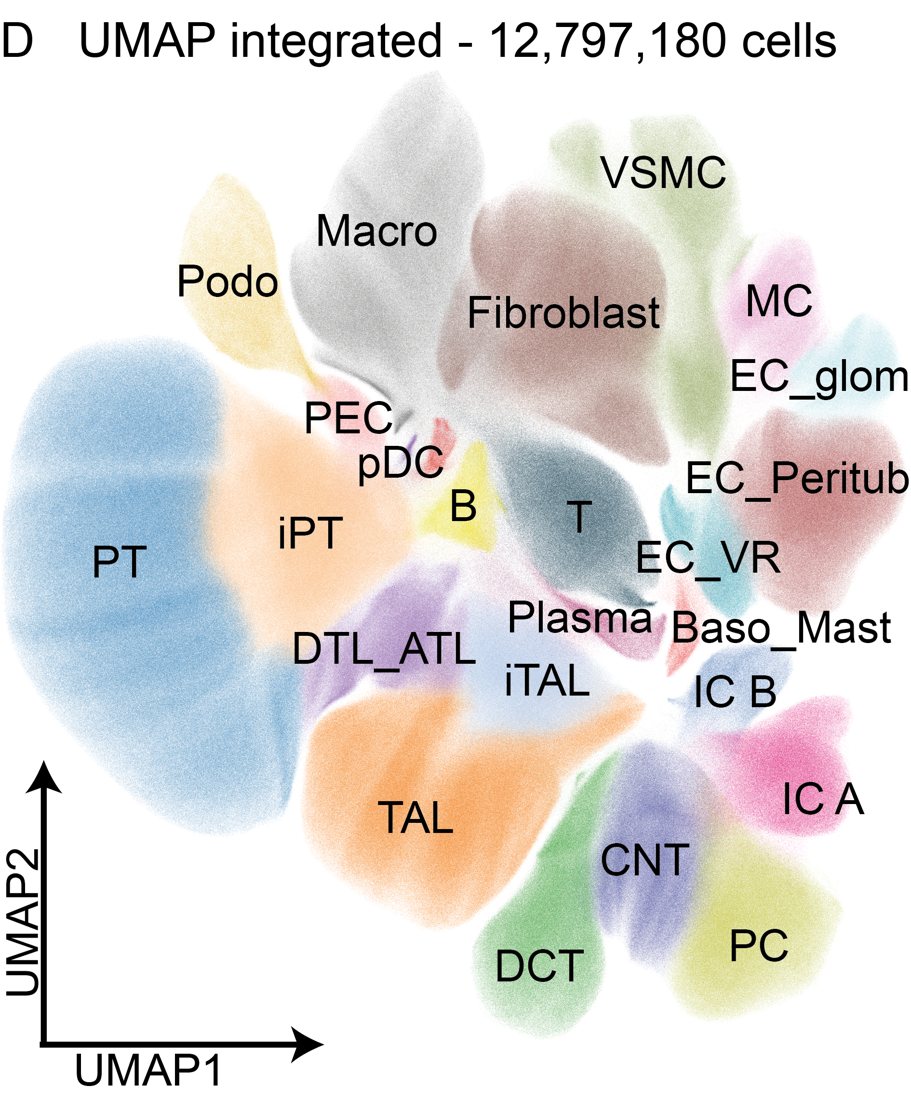
Integrated single-cell map of the human kidney
Enrollment
592 consented · 543 biopsied · 407 research cores profiled25 sites
The TRIDENT network

Not a single-center study

Academic medical centers across the United States enroll, contribute and analyze under one protocol. Hover or tap a site to see its investigators.

Select a site on the mapRole, investigators and the study contact appear here.
Enrolling and coordinating sitesAnalysis sites, enrollment completeContributing sites
University of Pennsylvania
Gaia Coppock, MD
Mayo Clinic
Enrolling site, 2026
The Ohio State University
Brad Rovin, MD
University of North Carolina at Chapel Hill
Amy Mottl, MD
Albert Einstein College of Medicine and Montefiore Medical Center
Michael Ross, MD
Icahn School of Medicine at Mount Sinai
Kirk Campbell, MD; Michael Ross, MD
Northwestern University
Tamara Isakova, MD
Stanford University
Richard Lafayette, MD
Oregon Health & Science University
Rupali Avasare, MD
University of New Mexico
Christos Argyropoulos, MD
University of Virginia
Julia Scialla, MD
Yale University
Randy Luciano, MD
UT Health San Antonio
Shweta Bansal, MD
University of Miami
Alessia Fornoni, MD, PhD
University of Michigan
Matthias Kretzler, MD
University of Arizona
Frank Brosius, MD
Columbia University
Pietro Canetta, MD
Lehigh Valley Health Network
Nelson Kopyt, MD
MetroHealth Medical Center
Jeff Schelling, MD
Baylor Scott & White Research Institute
Harold Szerlip, MD
Georgia Nephrology
James Tumlin, MD
TRIDENT 1.0 to 2.0

From mechanisms to therapeutic response

2017 to 2025TRIDENT 1.0

Discover the mechanisms

592 adults with diabetes, 543 biopsies, ten molecular layers and years of follow-up to define the biologically distinct forms of diabetic kidney disease and who progresses.

2025 onwardTRIDENT 2.0

Understand therapeutic responses

Paired kidney biopsies before and after six months of therapy, beginning with dapagliflozin, read at every molecular layer against an untreated re-biopsy comparator, to see what a kidney-protective drug does inside the human kidney.

The goalWhat comes next

Enable precision treatments

Tissue-anchored biomarkers, molecular subtypes and mechanism-matched trial designs, so that the right therapy reaches the right patient.

TRIDENT 2.0 in detail

Two patients with the same eGFR and the same albuminuria can be on entirely different trajectories. The only way to see the difference is to look at the tissue.
Katalin Susztak, MD, PhD, Principal Investigator, TRIDENT
Achievements so far

What TRIDENT has already changed

543kidney biopsies from 592 consented participants, the largest diabetic kidney biopsy cohort with multi-omic profiling and longitudinal outcomes
3,993patient charts screened at 25 sites to find the right participants; biopsy safety documented prospectively, with major bleeding rare
3molecular subtypes of diabetic kidney disease, including a B cell-rich form that clinical classification could not see
Class 5a new high-risk histologic class (RPS-TRIDENT modification) that predicts the fastest progression to kidney failure
12.8Mcells in a population-scale spatial atlas of 534 human kidneys, with TRIDENT biopsies at its core; published in Nature in 2026
1,000participants is the TRIDENT 1.0 target, with non-diabetic kidney disease comparators enrolling since 2025
Discoveries

What TRIDENT has found

Four research stories: the question, what the tissue showed, why it matters, and the paper.

Predicting kidney outcomes, area under the curveRPS, 1 year0.65RPS-TRIDENT, 1 year0.68RPS, 2 years0.71RPS-TRIDENT, 2 years0.75176 TRIDENT participants; validated in 101 external cases
The question

Can histology predict who will reach kidney failure?

What TRIDENT found

In 176 TRIDENT participants, unsupervised clustering of light-microscopy features defined a new high-risk class marked by visceral epithelial hyperplasia, with the most rapid progression to kidney failure; the modified classification was validated in an external cohort of 101.

Why it matters

The standard Renal Pathology Society classification separated advanced classes poorly. The TRIDENT modification improves prognosis and can guide management and trial design.

Mohandes et al., Kidney International 2026 · Read the paper

Cell fraction vs kidney function (eGFR), correlation rProximal tubule0.67Podocyte0.57Macrophage−0.57Injured TAL−0.67Injured and immune fractions rise as eGFR falls; 534 kidneys, 12.8 million cells
The question

Is diabetic kidney disease one disease in the tissue?

What TRIDENT found

Spatial transcriptomics across the TRIDENT biopsies resolved the cellular neighborhoods of diabetic kidney disease and identified a subgroup defined by B cell-rich infiltrates, a biologically distinct form that clinical classification could not see.

Why it matters

Molecularly defined subtypes are the basis for stratified trials and for therapies matched to mechanism.

Dumoulin et al., Nature 2026 · Read the paper

Complications in 408 research biopsies, percentAny complication20%Hematoma15%Resource-intense event5%Added risk from research core0%18-gauge vs 16-gauge needle: odds of resource-intense events 0.32
The question

Is a research biopsy safe in people with diabetes?

What TRIDENT found

Across 408 biopsies at 21 sites, complications were uncommon and mostly minor (hematoma in 15 percent); events needing intervention occurred in 5 percent, and the additional research core did not significantly increase risk. Smaller needles and experienced operators lowered risk.

Why it matters

Every tissue-based study depends on the answer. These are the reference data for research biopsy protocols in diabetes.

Mohandes et al., CJASN 2026 · Read the paper

Outcomes in the first 62 biopsy-confirmed participants, percenteGFR decline over 40%33.9%Reached kidney failure27.4%Nephrotic-range proteinuria at biopsy59.7%Cluster with glomerular epithelial hyperplasia: hazard ratio 17.9 for kidney failure
The question

Which lesions drive kidney function decline?

What TRIDENT found

In the first 62 biopsy-confirmed participants, interstitial fibrosis tracked kidney function at enrollment, while the rate of decline tracked glomerular lesions; a podocytopathy subtype carried the highest risk of kidney failure.

Why it matters

The glomerular epithelial cell emerged early as a determinant of progression, a theme the later classification work confirmed.

Palmer et al., Kidney International Reports 2021 · Read the paper

All publications

Why TRIDENT exists

Diabetic kidney disease is not one disease.

It is a family of biologically distinct conditions that share a label. Two patients with the same eGFR and the same albuminuria can be on entirely different trajectories. The only way to see the difference is to look at the tissue.

The tissue is where the answers are.

TRIDENT enrolls adults with diabetes undergoing a clinically indicated kidney biopsy and pairs the biopsy with blood, urine, genetics and years of follow-up. Pathology, genomics, transcriptomics, spatial biology and proteomics are read together, and every molecular feature is tied to what happened to the patient afterward.

Discovery is not the goal. Translation is.

Tissue-informed biomarkers that can be measured in blood and urine. Molecular subtypes that predict who will progress. Pathways that drugs can reach. Trial designs built on biology rather than on averages. That is what TRIDENT was built to deliver.

Updates

Recent milestones

September 2026

Spatial atlas of diabetic kidney disease published in Nature

The population-scale atlas built with TRIDENT biopsies at its core identifies a B cell-rich subgroup of diabetic kidney disease.

August 2026

A modified histologic classification for advanced diabetic nephropathy

Kidney International publishes the RPS-TRIDENT modification, with a new high-risk Class 5 validated in an external cohort.

June 2026

Biopsy safety in 408 participants

CJASN reports complications across 21 sites: mostly minor, major bleeding rare, no added risk from the research core.

2026

TRIDENT 2.0 is under way

Paired biopsies before and after six months of dapagliflozin, with an untreated re-biopsy comparator; metabolomics and methylation in production.

Upcoming

Oct 242026
ASN Kidney Week, DenverTRIDENT investigators present consortium work; meet the study team.
Details →
Monthly
Consortium executive committee callSites, data coordinating center and partners review enrollment, data production and new science (members).
Details →
2027
TRIDENT investigators meetingAnnual in-person meeting of sites and partners; date to be announced.
Details →
Get involved

Four ways to take part

Patients and families

Take part through your nephrologist at a TRIDENT site; one additional research core, blood and urine, and follow-up visits.

Learn about participation

Clinical sites

Academic nephrology divisions with a biopsy program can join the consortium for TRIDENT 2.0; one protocol, central coordination at Penn, shared authorship.

Ask about joining as a site

Researchers

Propose an analysis or an ancillary study; aggregate resources and the access process are on the researchers page.

Explore TRIDENT research

Industry

Therapy-informed studies, biomarker validation and mechanism-matched trial design under TRIDENT 2.0.

Write to the study leadership

Industry partners

Built with partners

TRIDENT is a multi-center academic-industry research consortium of nephrologists, renal pathologists, translational scientists and biopharmaceutical partners committed to precision medicine for diabetic kidney disease. Participation has evolved with the phases of the study; a focused group of academic sites now leads enrollment, data generation and analysis.

Industry partners
Boehringer IngelheimFounding industry partner; full TRIDENT 1.0 data stack delivered.To website →
Novo NordiskClinical, pathology and molecular data; biomarker discovery.To website →
AstraZenecaClinical, transcriptomic and proteomic data; target biology.To website →
GenentechFull data stack including 5,000 electron micrographs; immune subtypes.To website →
GlaxoSmithKlineClinical, imaging, exome and proteomic data; functional genomics.To website →
RegeneronWhole-exome sequencing and clinical data of TRIDENT participants.To website →
Gilead SciencesPartner in the first phase of TRIDENT; glomerular injury analyses.To website →

Sites and partners

Join the work.

Investigators and industry partners: TRIDENT welcomes proposals for joint analyses, biomarker validation and therapy-informed studies. Patients and families: learn how the study works and how to take part.

Write to the study leadership   For patients and families